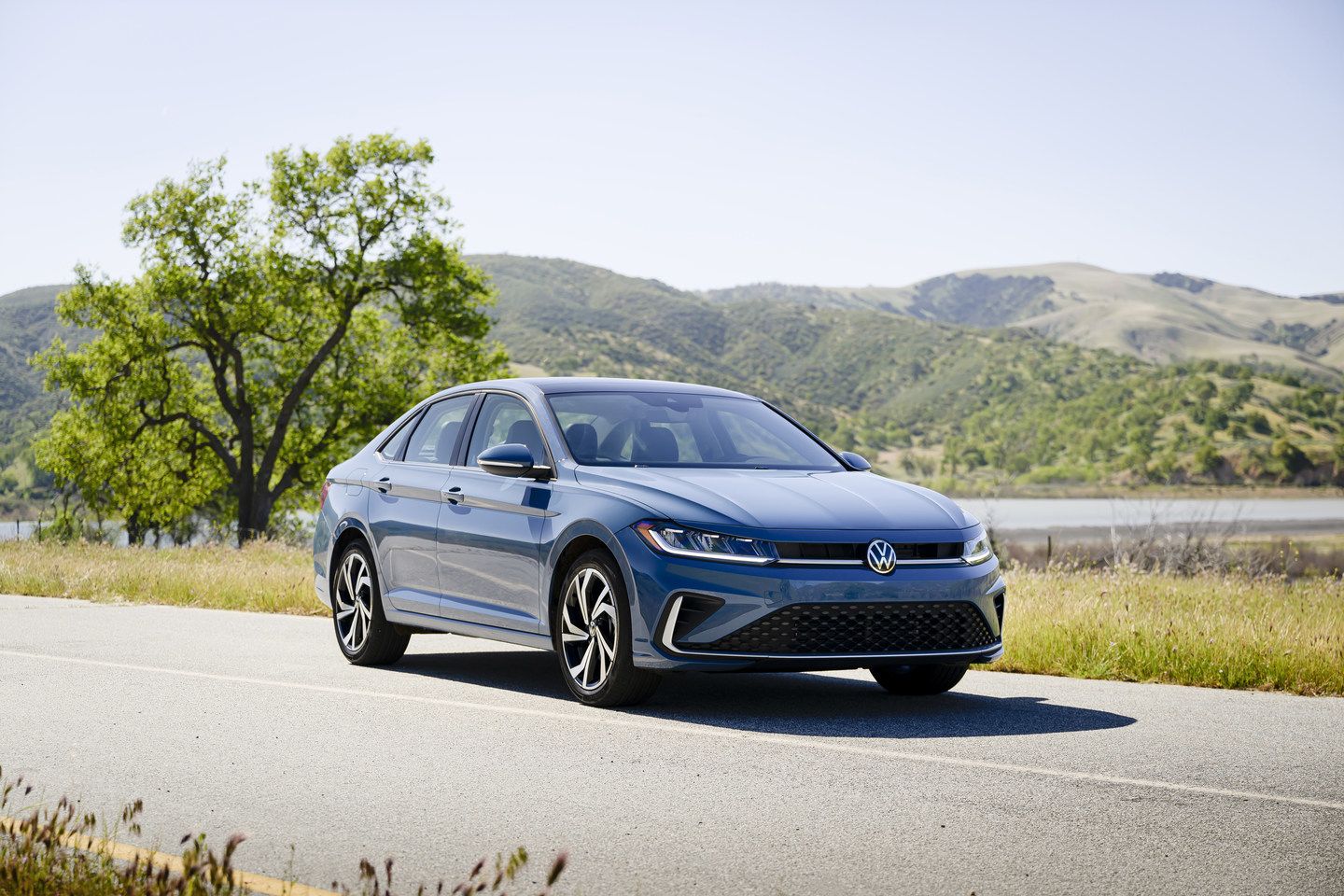
Long highway commutes demand efficiency, and the 2026 Volkswagen Jetta delivers. Its turbocharged engine and aerodynamic design stretch every litre of fuel on Ontario's busiest routes. Whether you're navigating daily traffic or planning a weekend getaway, understanding the Jetta's real-world fuel consumption helps you make smarter decisions at the pump.
Real-world efficiency depends on how a vehicle performs under actual driving conditions. The Jetta uses proven TSI turbocharged technology with intelligent engineering to achieve strong highway fuel economy across its lineup.
What is the Official Highway Fuel Economy for the 2026 Jetta?
The 2026 Volkswagen Jetta achieves a highway rating of 5.9 L/100 km with its standard 8-speed automatic transmission. This figure comes from Natural Resources Canada's standardized testing, which evaluates fuel consumption under controlled highway conditions. The Jetta's 1.5 L TSI turbocharged 4-cylinder engine produces 158 horsepower and 184 lb-ft of torque, delivering responsive acceleration without sacrificing efficiency.
City driving sees a rating of 8.2 L/100 km, while combined fuel consumption sits at 7.2 L/100 km. These numbers position the Jetta competitively among compact sedans, particularly for drivers who spend substantial time on highways. The turbocharged engine's design allows it to maintain power delivery while optimizing fuel use during steady-state cruising.
Keep in mind that actual consumption varies based on driving habits, vehicle load, weather conditions, and maintenance. However, the Jetta's official ratings provide a reliable baseline for estimating real-world performance.
How Does the Jetta GLI Compare for Highway Efficiency?
For drivers seeking more performance, the 2026 Jetta GLI offers a sportier option with its 2.0 L TSI turbocharged engine producing 228 horsepower and 258 lb-ft of torque. The GLI's highway fuel economy depends on transmission choice:
- Manual transmission: 6.5 L/100 km highway, 9.1 L/100 km city
- 7-speed DSG automatic: 6.7 L/100 km highway, 9.5 L/100 km city
The GLI's manual transmission achieves slightly better highway efficiency than the DSG, though both variants remain competitive given the power increase over the standard Jetta. The GLI's combined ratings are 8.1 L/100 km (manual) and 8.2 L/100 km (DSG).
Drivers who prioritize spirited driving without major fuel economy sacrifices will find the GLI's balance appealing. The 0.6 to 0.8 L/100 km difference in highway consumption compared to the standard Jetta is modest considering the GLI's 70-horsepower advantage and performance-oriented suspension tuning.
What Factors Affect Real-World Highway Fuel Economy?
While official ratings provide a baseline, several factors influence how efficiently your Jetta performs on actual highway drives:
Speed and Driving Style: Maintaining steady speeds between 90-110 km/h optimizes fuel economy. Aggressive acceleration and frequent speed changes increase consumption noticeably.
Vehicle Load: Carrying additional passengers or cargo adds weight, requiring more fuel to maintain highway speeds. The Jetta's 399-litre cargo capacity allows practical hauling without excessive weight penalties.
Weather and Conditions: Cold temperatures reduce fuel economy as engines take longer to reach optimal operating temperature. Wind resistance also plays a role - headwinds force the engine to work harder, while tailwinds can improve efficiency.
Tire Pressure and Maintenance: Underinflated tires increase rolling resistance, reducing fuel economy. Regular maintenance ensures the engine, transmission, and other systems operate at peak efficiency.
The Jetta's start/stop system with regenerative braking helps recapture energy during deceleration, though this feature provides more benefit in city driving than on highways where constant speeds minimize braking events.
2026 Jetta Highway Efficiency Overview
|
Specification
|
Standard Jetta (8-Speed Auto)
|
Jetta GLI (Manual)
|
Jetta GLI (DSG)
|
|
Engine
|
1.5 L TSI 4-cylinder
|
2.0 L TSI 4-cylinder
|
2.0 L TSI 4-cylinder
|
|
Horsepower
|
158 hp
|
228 hp
|
228 hp
|
|
Highway Rating
|
5.9 L/100 km
|
6.5 L/100 km
|
6.7 L/100 km
|
|
City Rating
|
8.2 L/100 km
|
9.1 L/100 km
|
9.5 L/100 km
|
|
Combined Rating
|
7.2 L/100 km
|
8.1 L/100 km
|
8.2 L/100 km
|
How Does ECO Mode Improve Highway Efficiency?
The standard Jetta includes an ECO driving mode that adjusts throttle response and transmission shift patterns to prioritize fuel economy. During highway cruising, ECO mode encourages earlier upshifts and maintains lower engine speeds when possible, reducing fuel consumption without noticeably impacting performance.
Higher trim levels and the GLI offer Driving Profile Selection with multiple modes beyond ECO. While Sport mode sharpens throttle response for more engaging driving, it increases fuel consumption. For maximum highway efficiency, ECO mode remains the optimal choice during routine commuting.
The 8-speed automatic transmission in the standard Jetta pairs with ECO mode, selecting optimal gear ratios to balance power delivery and efficiency. The wide ratio spread allows the engine to operate at lower RPMs during highway cruising, directly contributing to the Jetta's 5.9 L/100 km highway rating.
What Makes the Jetta's Aerodynamics Efficient?
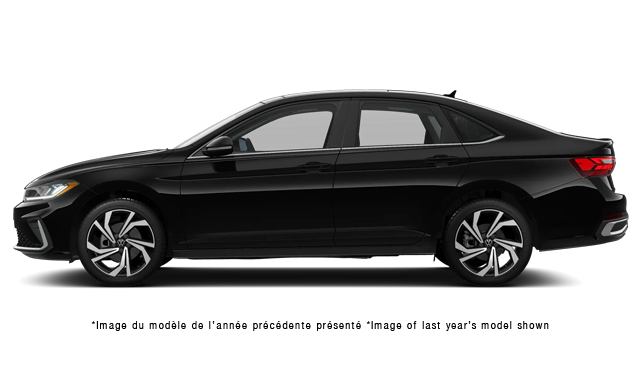
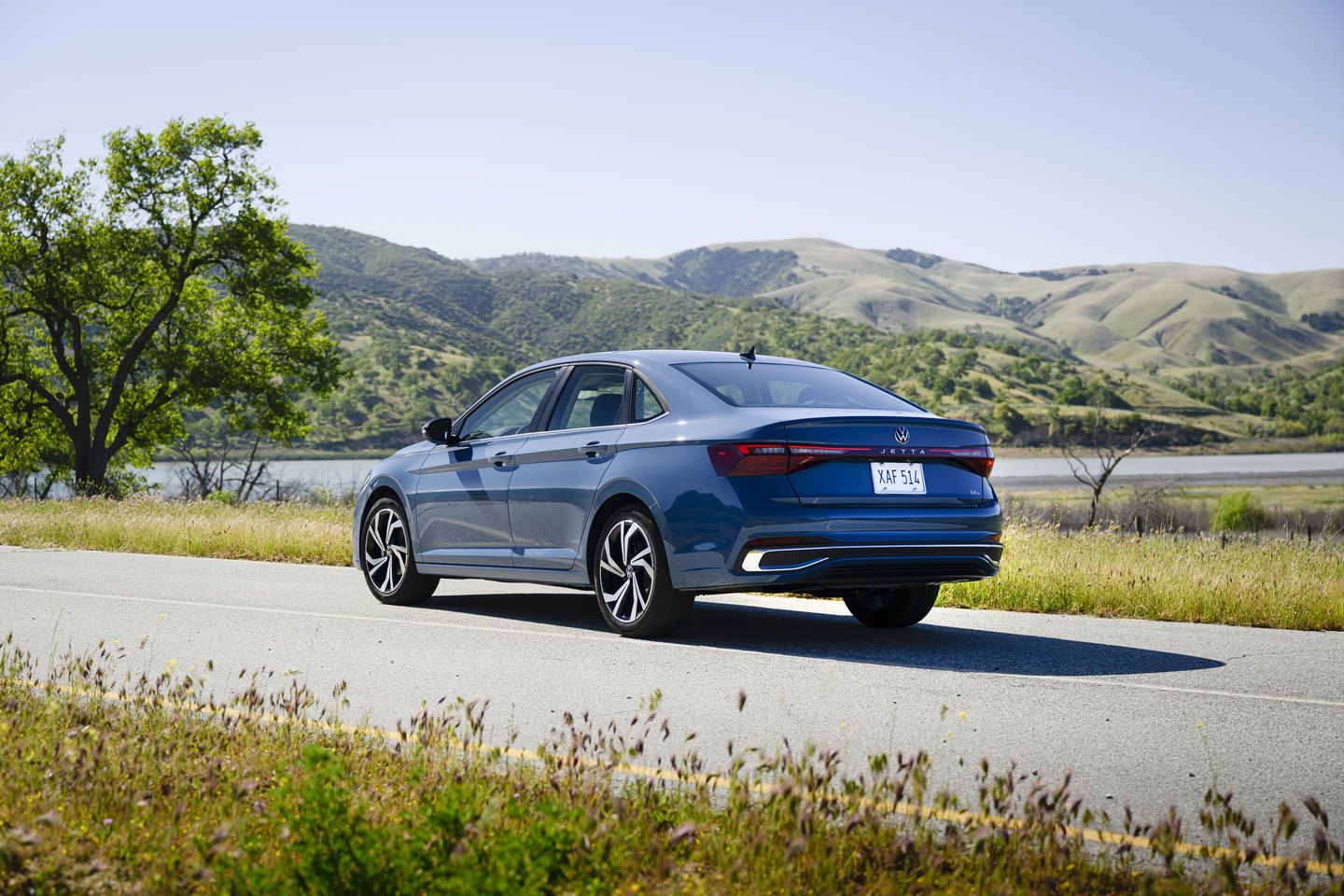
The 2026 Jetta's sleek profile plays a crucial role in highway fuel economy. With a length of 4,738 mm and height of 1,465 mm, the sedan's low, streamlined shape minimizes wind resistance at highway speeds. Chrome or black window surrounds (depending on trim) and LED taillights with an illuminated rear light line contribute to the clean aerodynamic design.
Lower drag coefficients mean the engine doesn't work as hard to maintain speed, directly improving fuel consumption. The Jetta's design team balanced aesthetic appeal with functional efficiency, ensuring the sedan cuts through air smoothly whether you're cruising at 100 km/h or accelerating to merge.
Even details like the mirrors (which extend to 2,037 mm width) are shaped to reduce turbulence. Combined with the Jetta's curb weight of 1,361 kg, the sedan achieves an optimal balance between stability and efficiency - light enough to conserve fuel, yet substantial enough to feel planted at highway speeds.
Does Technology Help Optimize Highway Fuel Use?
Modern connectivity features in the 2026 Jetta support more efficient driving habits. The myVW app includes DriveView, which analyzes driving behaviour and provides personalized insights to help maximize efficiency. By reviewing your highway driving patterns, you can identify opportunities to improve fuel economy - such as reducing aggressive acceleration or maintaining more consistent speeds.
The Volkswagen Digital Cockpit (8.0-inch on Trendline, 10.25-inch Pro on higher trims) displays real-time fuel consumption data, allowing you to monitor how driving adjustments affect efficiency. This immediate feedback helps drivers develop more economical habits over time.
Adaptive Cruise Control, available on Comfortline and higher trims, maintains set speeds automatically and adjusts following distance based on traffic ahead. This system reduces unnecessary speed fluctuations, contributing to smoother, more efficient highway cruising compared to manual throttle control.
How Does the Jetta Compare to Competitors?
The 2026 Jetta's 5.9 L/100 km highway rating positions it competitively among compact sedans. Its combination of German engineering, turbocharged efficiency, and real-world practicality makes it a practical choice for Ontario drivers prioritizing highway fuel economy.
The Jetta's 399-litre cargo capacity, 2,686 mm wheelbase, and available features like heated seats and dual-zone climate control ensure you don't sacrifice comfort or utility for efficiency. It's a sedan designed for real-world use - where highway commutes, weekend trips, and daily errands all demand reliable performance.
With three years of myVW+ connectivity services included, the Jetta also offers modern conveniences like remote start and stolen vehicle recovery assistance. Vehicle Health Reports are included for 8 years, providing long-term peace of mind beyond fuel economy alone.
Experience the 2026 Jetta's Efficiency Yourself
The 2026 Volkswagen Jetta proves that efficiency and performance aren't mutually exclusive. With a highway rating of 5.9 L/100 km, German engineering, and a range of trims to match your priorities, the Jetta delivers practical value for drivers across Ontario. Whether you choose the standard model or the sportier GLI variant, you're getting a sedan designed to perform efficiently mile after mile.
Visit our team at Guelph Volkswagen to explore the 2026 Jetta lineup and see how its fuel economy translates to real-world savings. Our knowledgeable staff can answer your questions and help you find the right configuration for your driving needs.