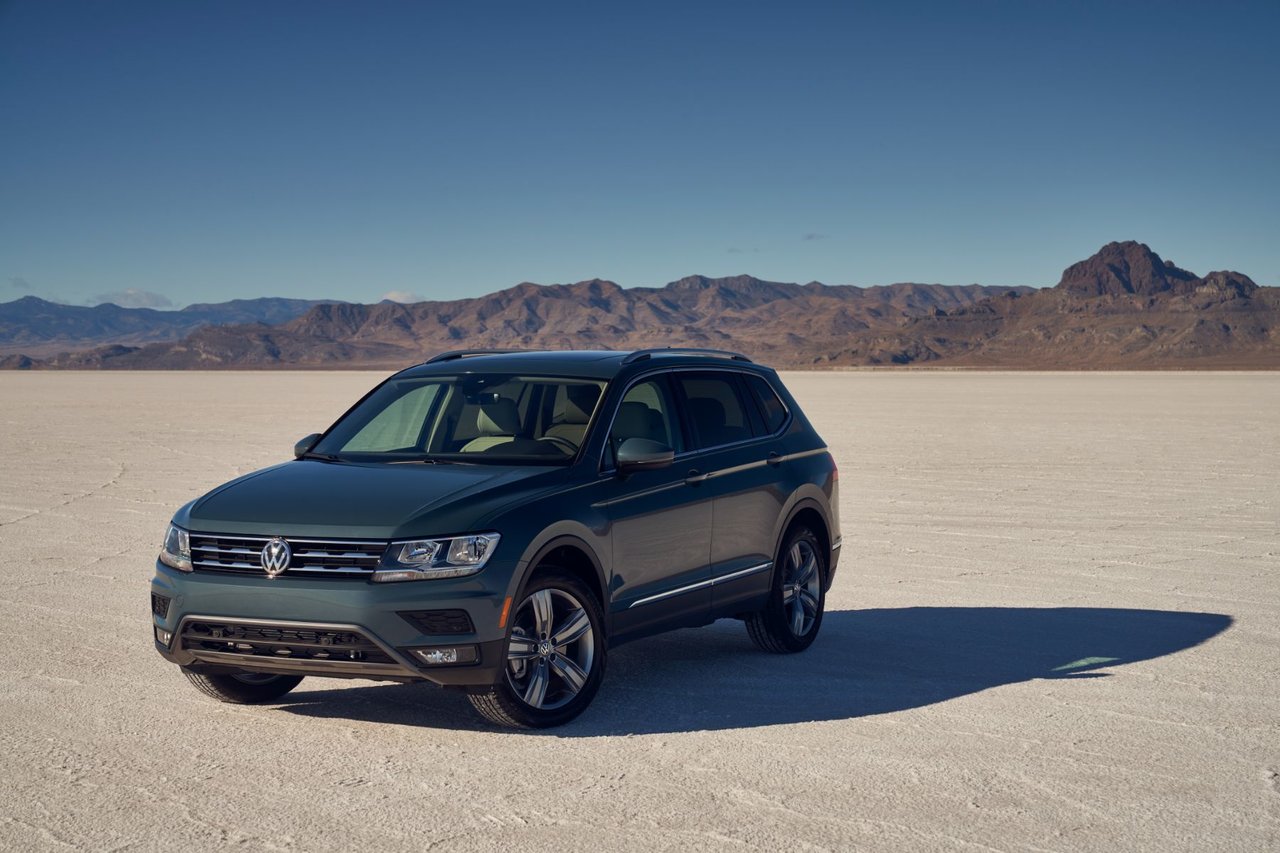
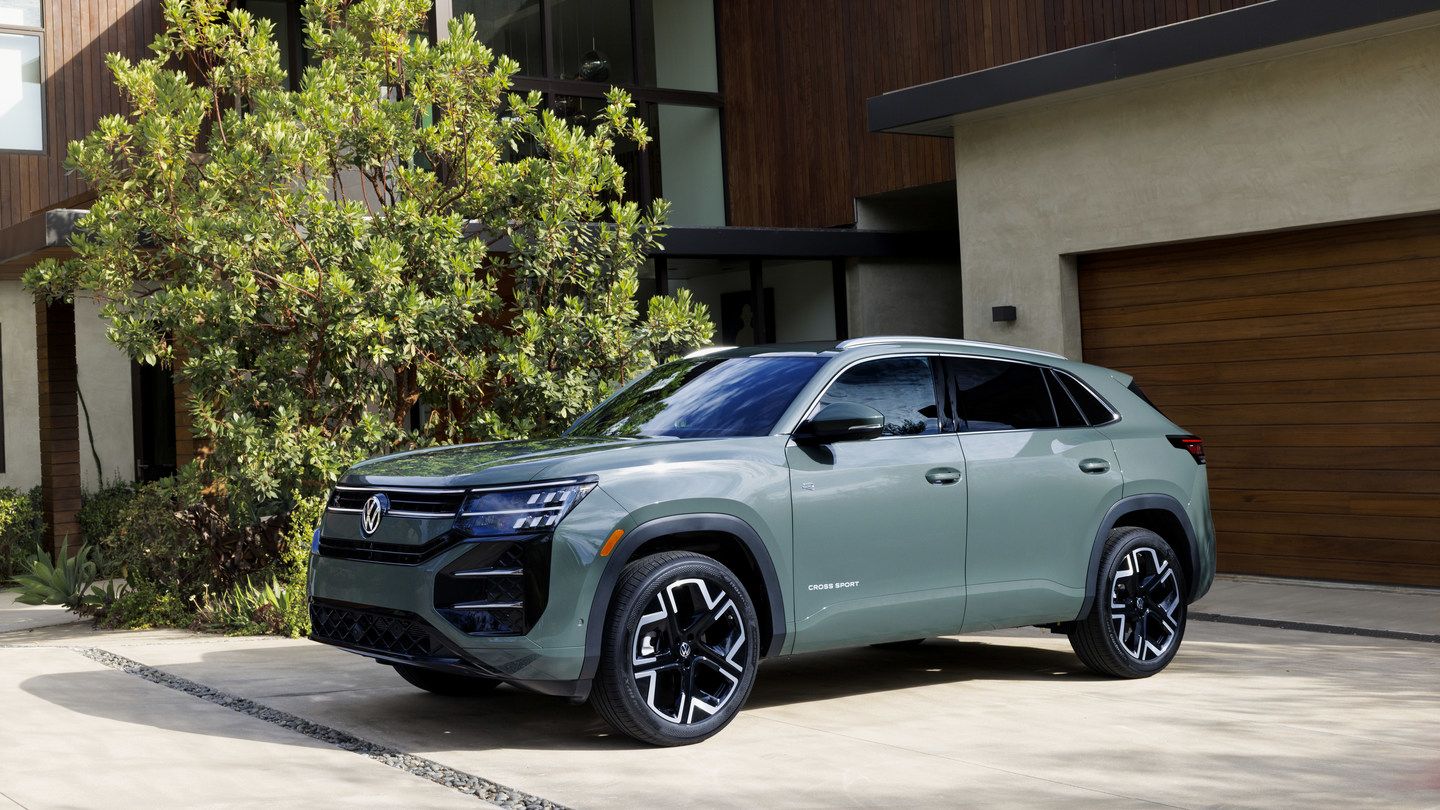
The 2027 Volkswagen Atlas Cross Sport’s New Engine Changes
A midsize SUV needs to do two things well: stay relaxed on a daily commute and step up when a trailer, a full cabin, or a long highway stretch...
Read more
Guelph Volkswagen
359 Woodlawn Rd W, Guelph, ON, N1H 7K9As the chilly winds begin to blow and snowflakes decorate the landscape, it's time to think about gearing up your Volkswagen for winter. One essential component you shouldn't overlook is a set of reliable winter tires despite the fact that they are not mandatory in Ontario. Not all tires are created equal, and when it comes to winter driving, choosing the right set can make a world of difference in terms of safety and performance.
Why Do You Need Winter Tires?
Firstly, let's clear up a common misconception: All-season tires are not a substitute for winter tires. Winter tires are specifically designed to handle cold temperatures, ice, and snow, offering better grip and enhanced braking. The rubber compounds in winter tires remain flexible in cold conditions, allowing for optimal traction. On the other hand, all-season tires tend to become stiff, compromising their performance in winter conditions.
Identifying Quality Winter Tires
When shopping for winter tires, look for the Three-Peak Mountain Snowflake (3PMSF) symbol. This indicates that the tire has met specific snow traction performance requirements and has been designed to perform in severe snow conditions. Avoid tires that only have the M+S (Mud + Snow) symbol, as these do not offer the same level of snow and ice performance.
Sizing and Fitment
Knowing the correct size of tires for your Volkswagen is crucial. Refer to your vehicle's owner manual or consult the professionals at Guelph Volkswagen to find out the appropriate dimensions. Incorrectly sized tires can negatively affect your vehicle's performance and safety.
Budget and Brands
Winter tires come in various price ranges and brands. Some renowned brands that make quality winter tires include Bridgestone, Michelin, and Continental. While it's tempting to opt for budget-friendly options, remember that quality often correlates with price. Investing in a reliable set of winter tires is an investment in your safety.
When to Make the Switch?
It's advisable to switch to winter tires once the temperature consistently drops below 7°C (45°F). Waiting until the first snowfall can leave you scrambling for a set at the last minute, often when the selection is limited, and prices are high.
Winter driving presents unique challenges that can be mitigated with the right set of winter tires. Pay attention to the quality symbols, get the correct sizing, and balance your budget considerations with the need for safety and performance.
Don't compromise on your safety this winter. If you're unsure which winter tires are best for your Volkswagen, come visit us at Guelph Volkswagen. Our experts are here to guide you through the selection process and ensure you make an informed decision.
The 2027 Volkswagen Atlas Cross Sport’s New Engine Changes
A midsize SUV needs to do two things well: stay relaxed on a daily commute and step up when a trailer, a full cabin, or a long highway stretch...
Read more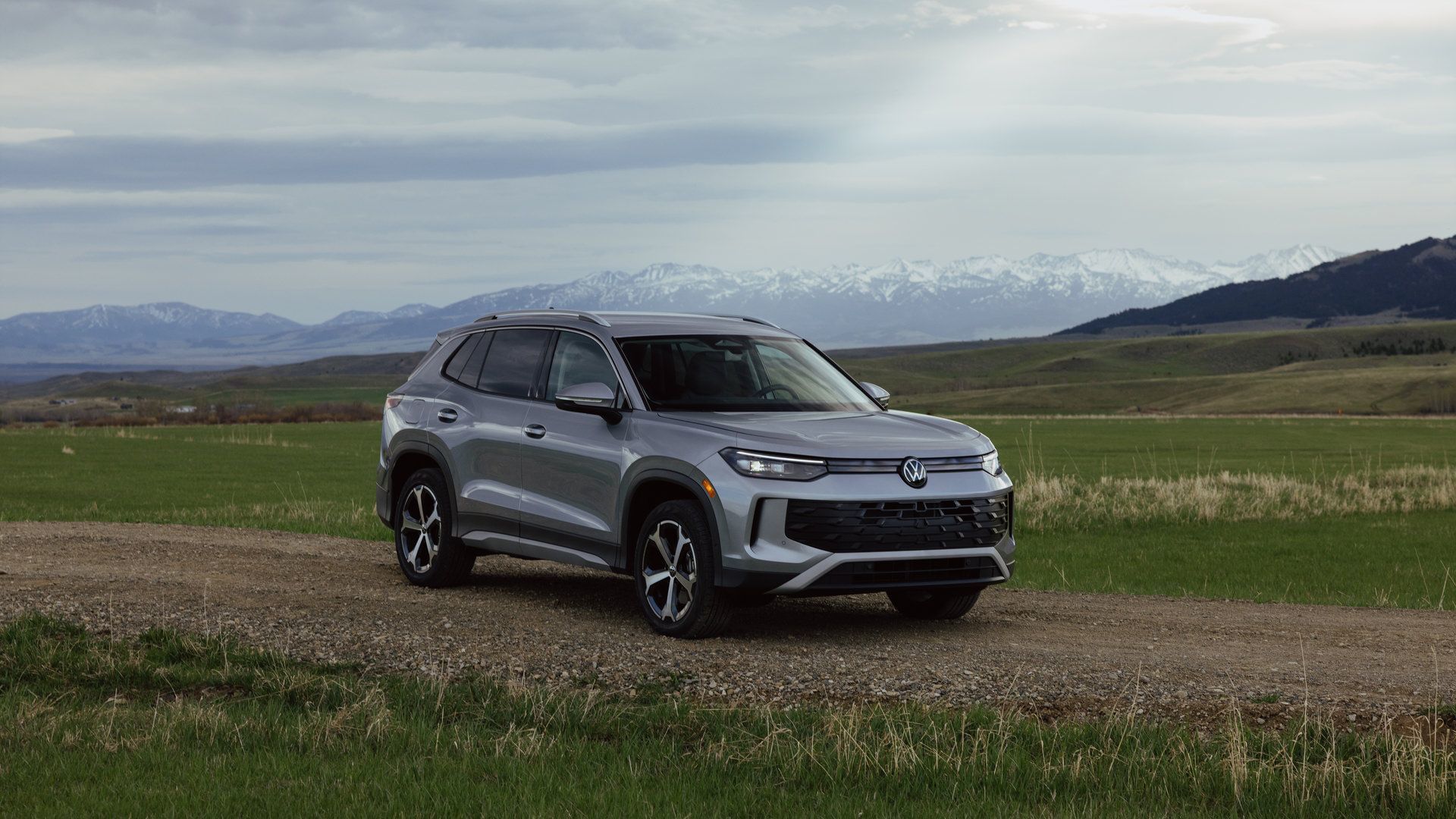
Can the 2026 Volkswagen Tiguan Tow a Small Trailer?
A small utility trailer for the dump run, a pair of kayaks for the weekend, a compact camper for a long drive up north: these are the loads most...
Read more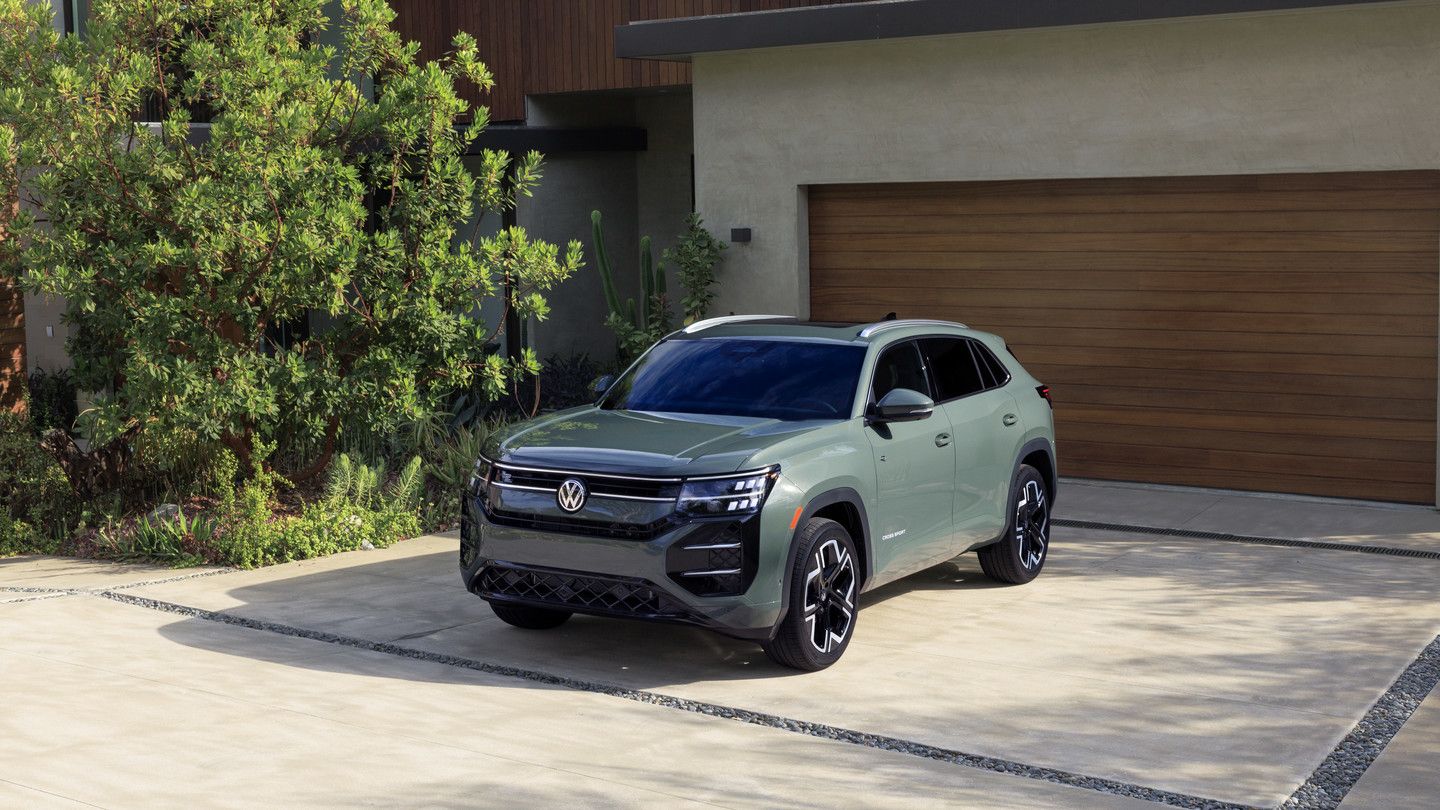
Volkswagen Debuts the All-New 2027 Atlas Cross Sport for Canadian Buyers
Volkswagen just pulled the cover off the all-new 2027 Atlas Cross Sport, and Ontario shoppers now have a real look at what’s changing before the...
Read morePowered and developed by
